Powering Teams Anywhere: The Missing Layer in Workplace Strategy
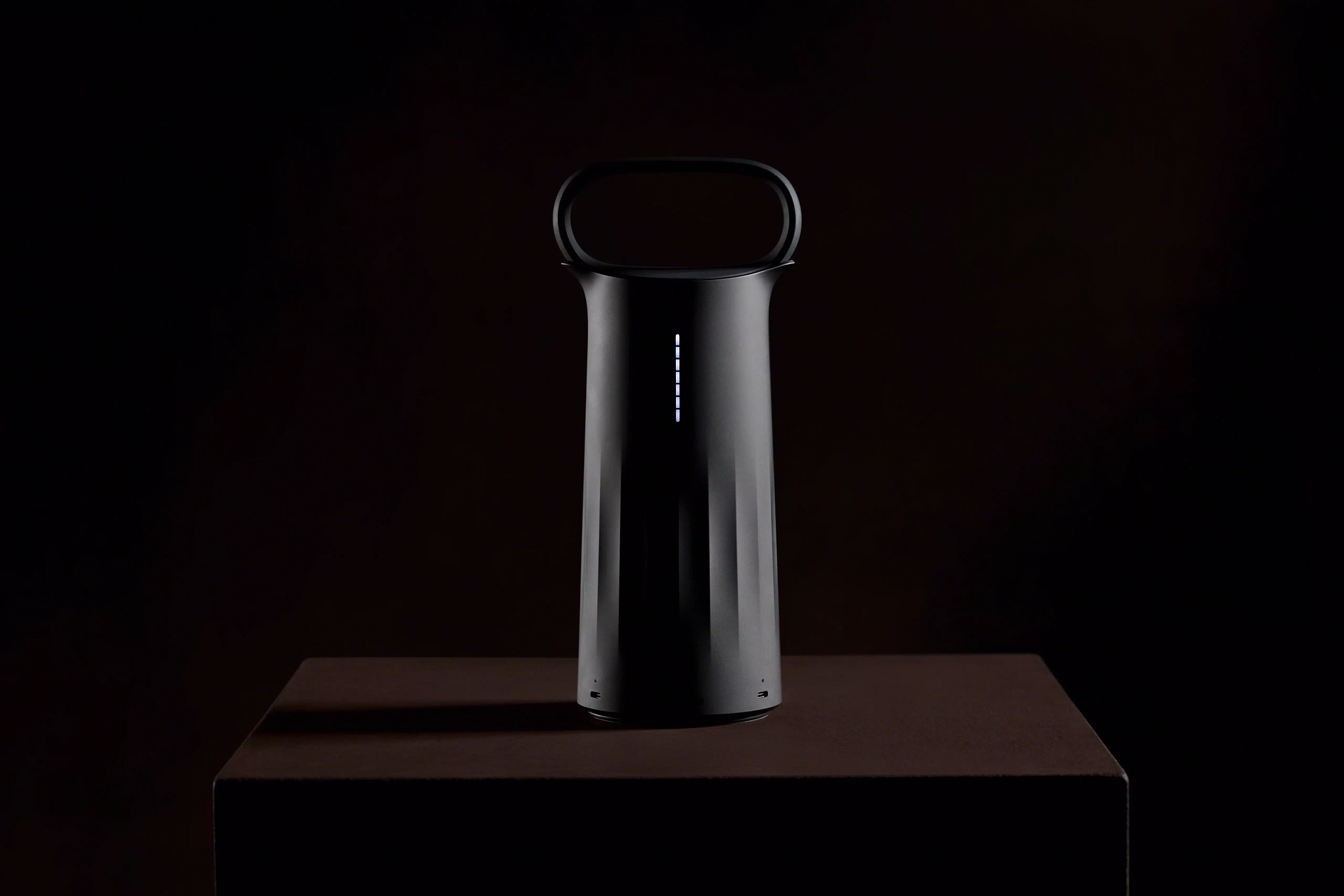
Work has changed. Not gradually but fundamentally.
Over the past few years, organizations have invested heavily in hybrid policies, collaboration tools, and redesigned spaces. Yet one critical layer of the workplace is still being overlooked:
Steelcase research highlights a simple but powerful truth:
today’s teams are no longer static, they move constantly between tasks, spaces, and modes of work.
A typical day no longer happens at a single desk. It flows:
- From focused work → to quick collaboration
- From scheduled meetings → to spontaneous conversations
- From individual tasks → to team problem-solving
Work has become fluid.
But many workplaces are still built for permanence.
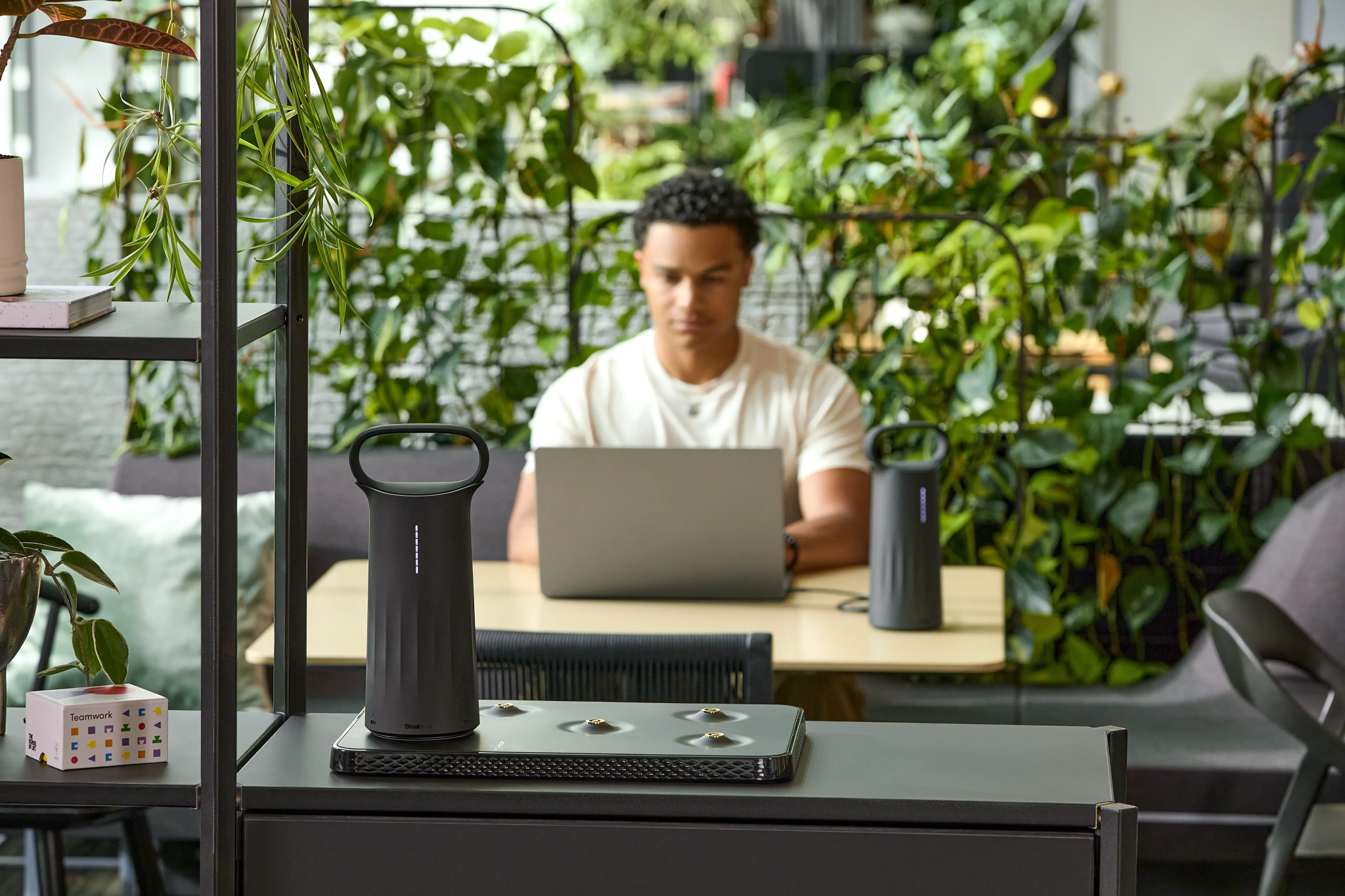
Despite investments in flexible furniture and open collaboration areas, one constraint remains surprisingly persistent: Power.
As Steelcase points out, mobile devices have untethered people from desks but only temporarily. Eventually, they need to recharge, pulling them back to fixed locations. And friction matters. Because every interruption:
- Breaks flow
- Disrupts collaboration
- Reduces efficiency
At scale, these small moments compound into lost performance.
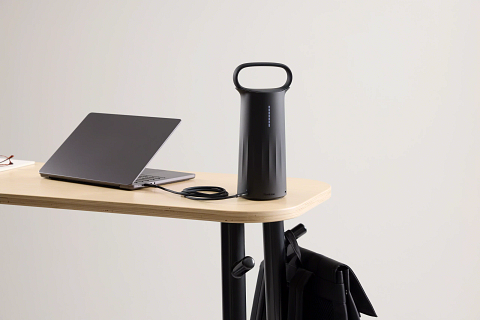
This is where the conversation needs to evolve.
Workplace strategy is no longer just about:
- Layout
- Furniture
- Aesthetics
It’s about systems that support movement.
Steelcase frames this as enabling workplaces to become “more fluid” and allowing teams to work wherever they need to.
That requires a shift in thinking:
- From fixed infrastructure → to distributed access
- From centralized power → to mobile enablement
- From assigned space → to activity-based environments
In other words: The workplace must adapt to people, not the other way around.
At Atlantic Business Interiors, we’re seeing this shift play out across organizations of all sizes.
Clients aren’t asking:
- “What furniture should we buy?”
They’re asking:
- “Why aren’t our spaces being used the way we expected?”
- “Why do people still default back to desks?”
- “How do we make collaboration actually work?”
In many cases, the answer isn’t more space, it’s better support for mobility.
Because when teams are truly enabled:
- They choose where to work based on the task
- They collaborate more naturally
- They stay in flow longer
Final thought
Work is no longer tied to place.
The organizations that recognize this, and design for movement, flexibility, and real human behavior, will create workplaces people actually choose to use.
The rest will continue solving yesterday’s problems.