Rethinking the spaces people need to work
Workplaces are changing again.
After years of reacting to hybrid work, return-to-office shifts, and changing employee expectations, many organizations are now asking a more practical question: Which spaces are actually helping people work well, and which ones are not?
The answer is not always about adding more square footage. Often, it is about using space more intentionally.
Steelcase recently reported that 96% of U.S. workplace decision-makers plan to overhaul their workspaces within the next two years, reflecting just how urgent this shift has become. The same research also points to a mismatch between how offices are built and how people actually work today. For example, large conference rooms make up nearly 60% of meeting space, while 80% of meetings involve only one to three people.
At Atlantic Business Interiors, we see this across workplaces in Atlantic Canada. Many offices still rely on layouts and furniture standards designed for a different era, one where work was more fixed, less fluid, and less dependent on balancing focus, connection, privacy, and flexibility.
Today, the most effective workplaces do something different. They support a wider range of work modes, help people feel comfortable and productive, and create a stronger sense of community.
The spaces that deserve a second look
Some of the most underperforming areas in the office are not always obvious at first. They are the rooms people rarely choose, the workstations that feel exposed, or the lounge areas that look attractive but do not actually support work.
1. Oversized meeting rooms
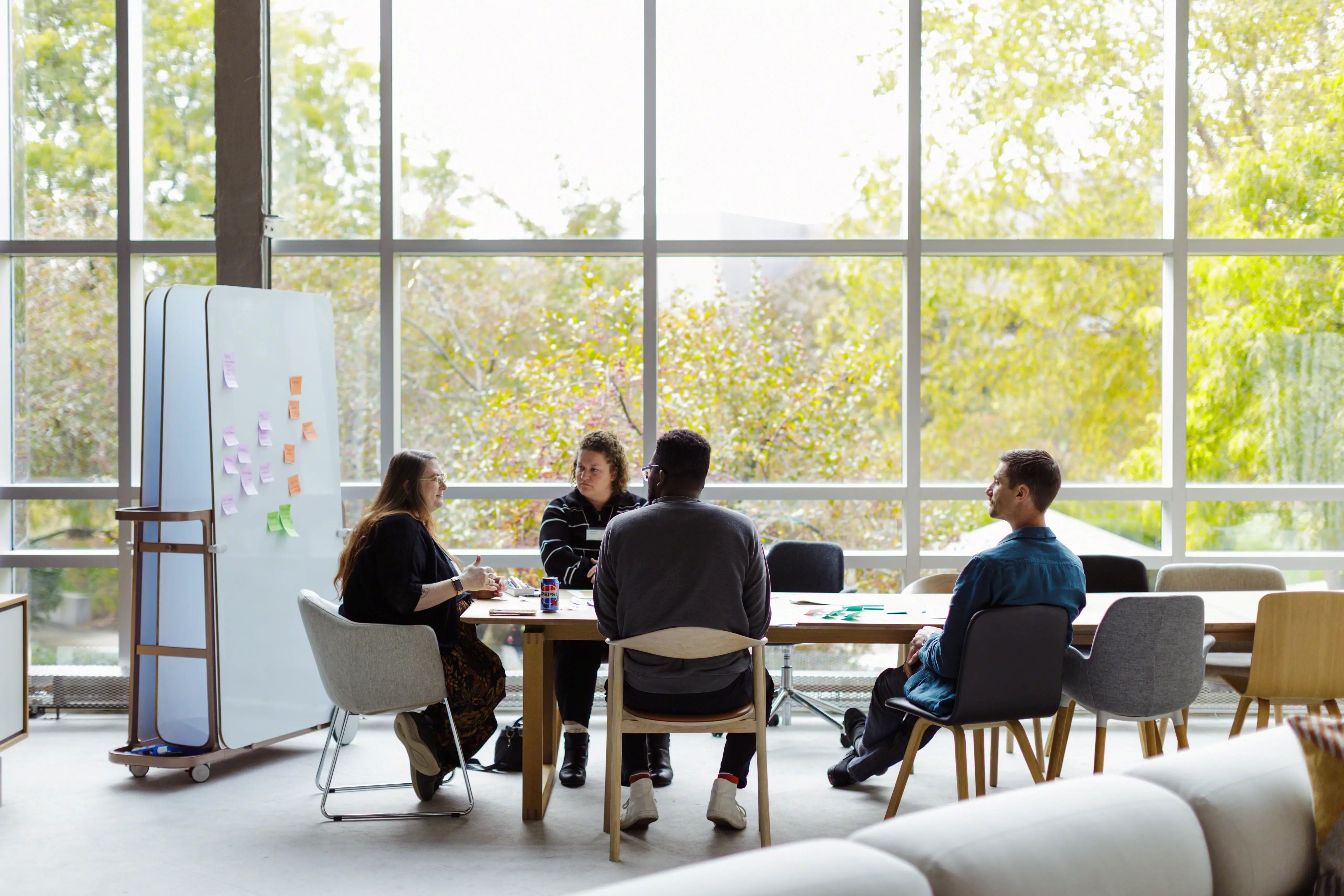
Traditional boardrooms still exist in many workplaces, but they are often larger and more formal than most teams need. When small groups dominate day-to-day meetings, a single large room can become an inefficient use of space.
A better approach is to break that footprint into a mix of smaller meeting settings, informal collaboration areas, and spaces that support both in-person and hybrid conversations. This gives teams more choice and makes collaboration feel more natural.
2. Touchdown spaces that feel temporary
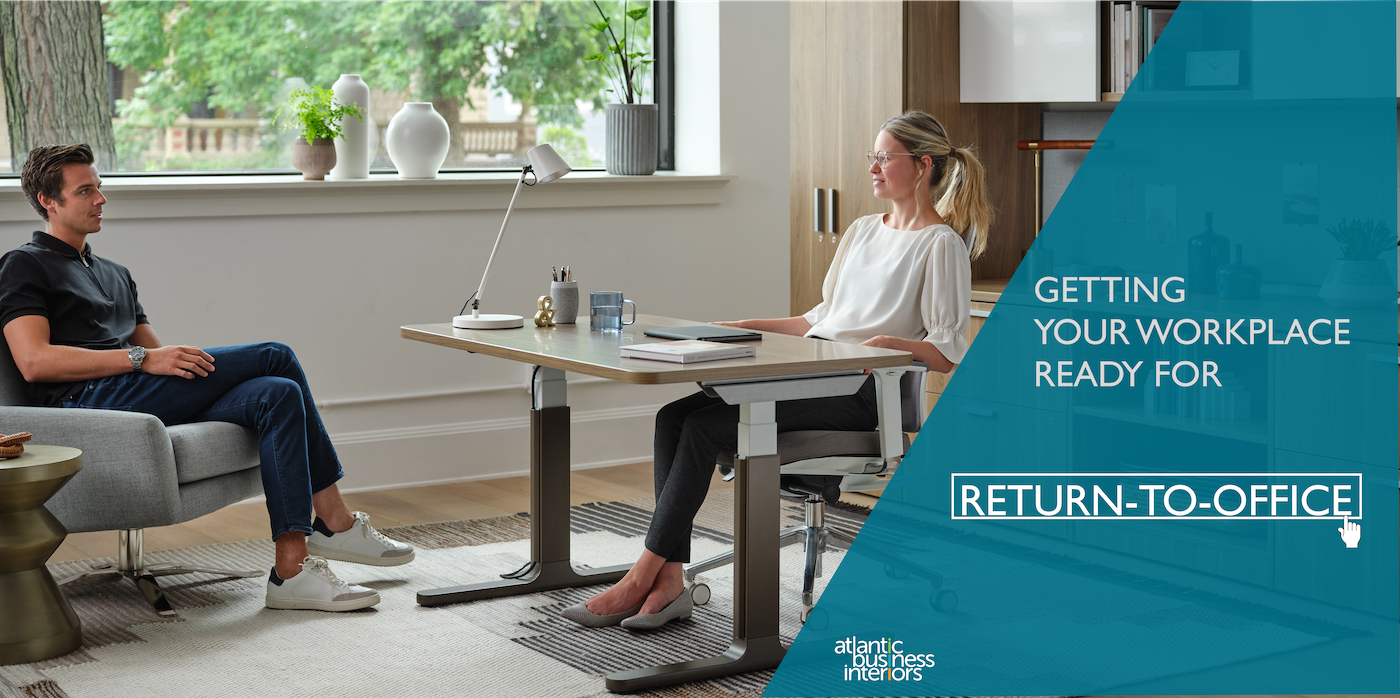
Hoteling and touchdown areas are meant to offer flexibility, but too often they feel exposed, impersonal, or uninspiring. When that happens, people avoid them.
The goal should be to create spaces that still feel flexible while offering comfort, visual privacy, integrated technology, and nearby areas for casual conversation. When done well, these spaces support both focus and connection.
3. Benching without privacy
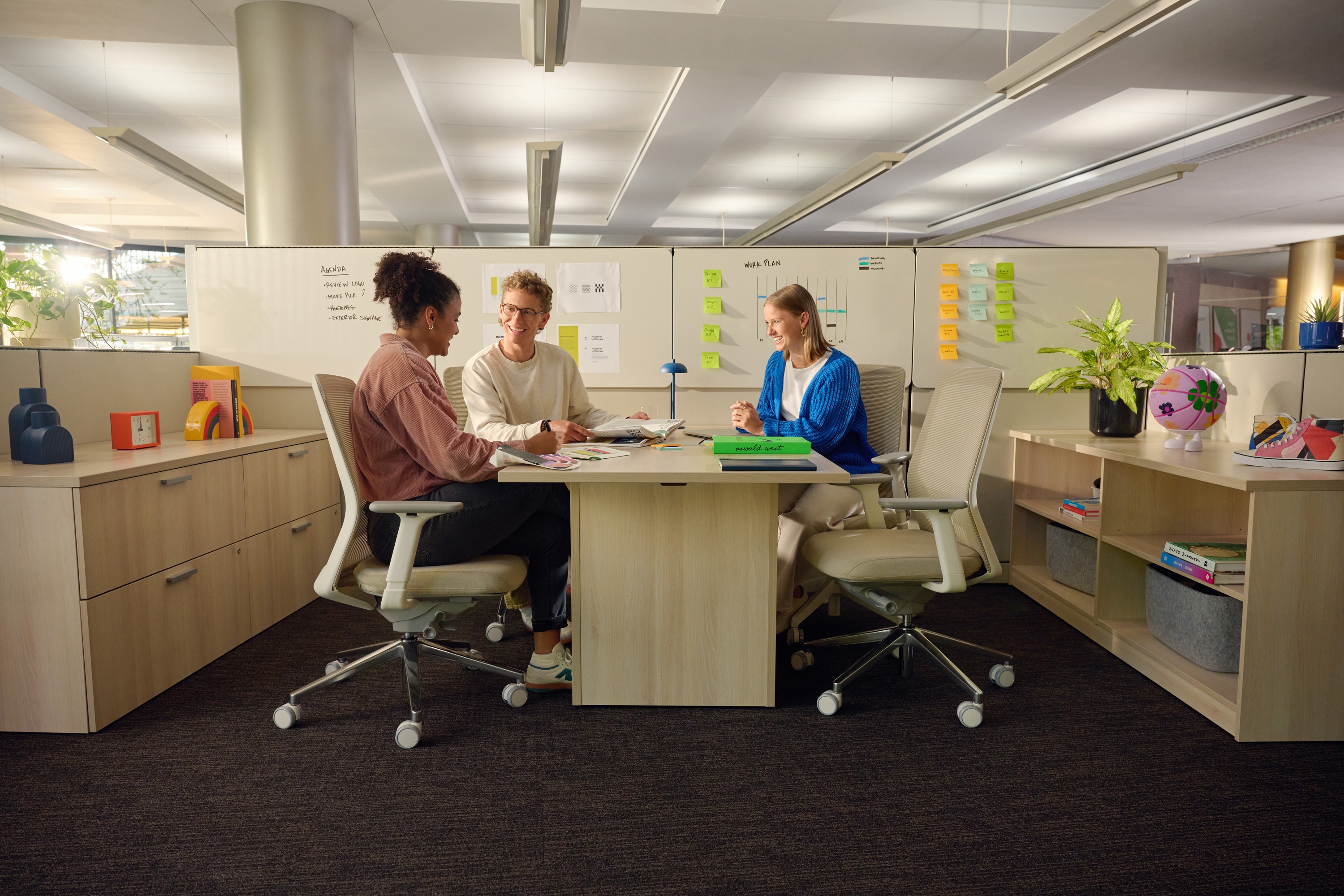
Open-plan benching can improve density, but without thoughtful design it can also increase distraction and reduce comfort. Face-to-face seating, lack of boundaries, and limited personal storage can make it harder for people to focus.
Simple changes such as privacy screens, better workstation orientation, height-adjustable desks, and integrated storage can transform an open area into one that feels supportive instead of draining.
4. Lounge spaces that look good but do not perform
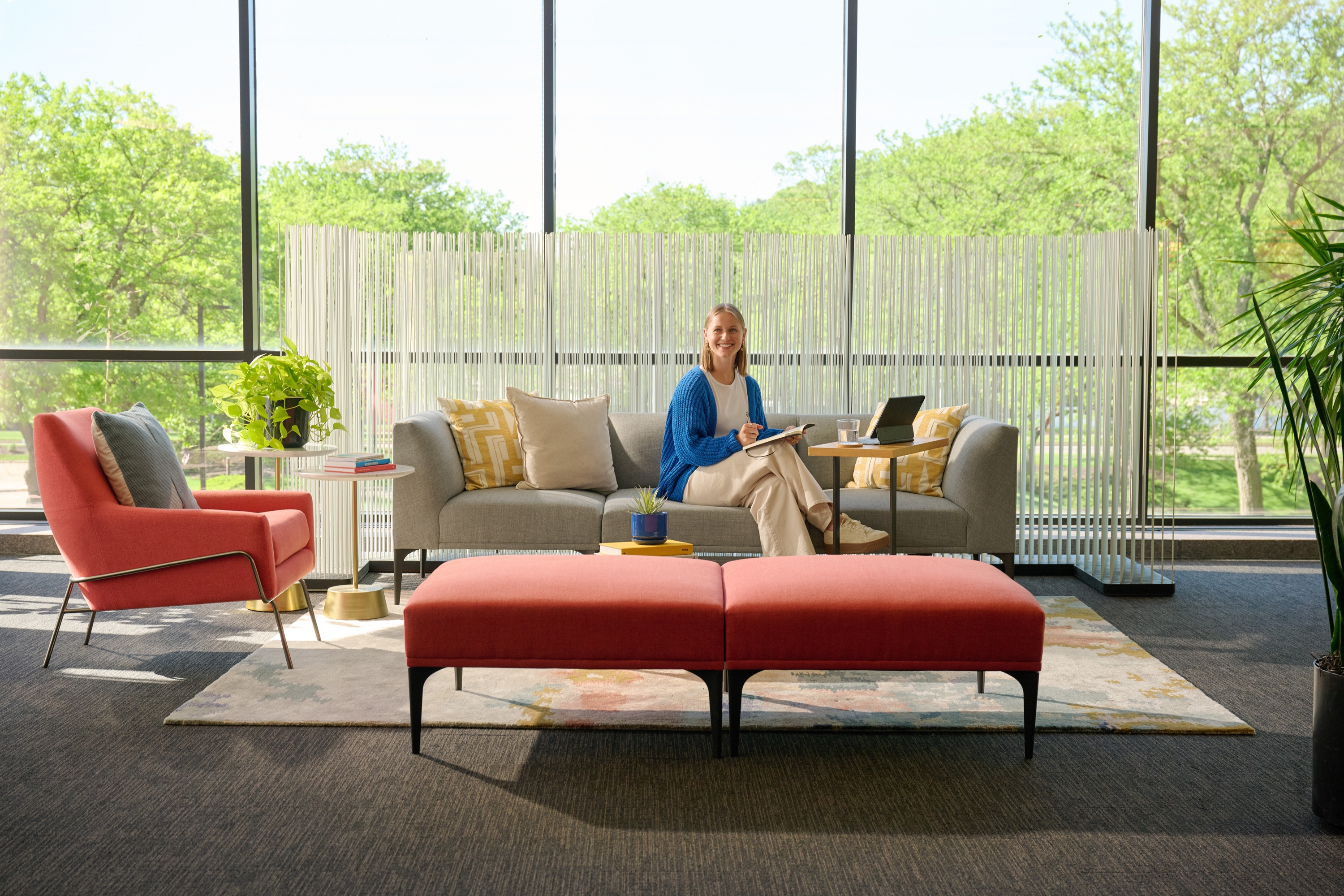
A lounge can be visually impressive and still sit empty. If it lacks power access, technology integration, posture variety, or a sense of privacy, people may not choose it for real work.
The best lounge settings are designed for both comfort and function. They support brainstorming, informal meetings, solo work, and quick conversations, all while making people feel at ease enough to stay.
5. Café areas with untapped potential
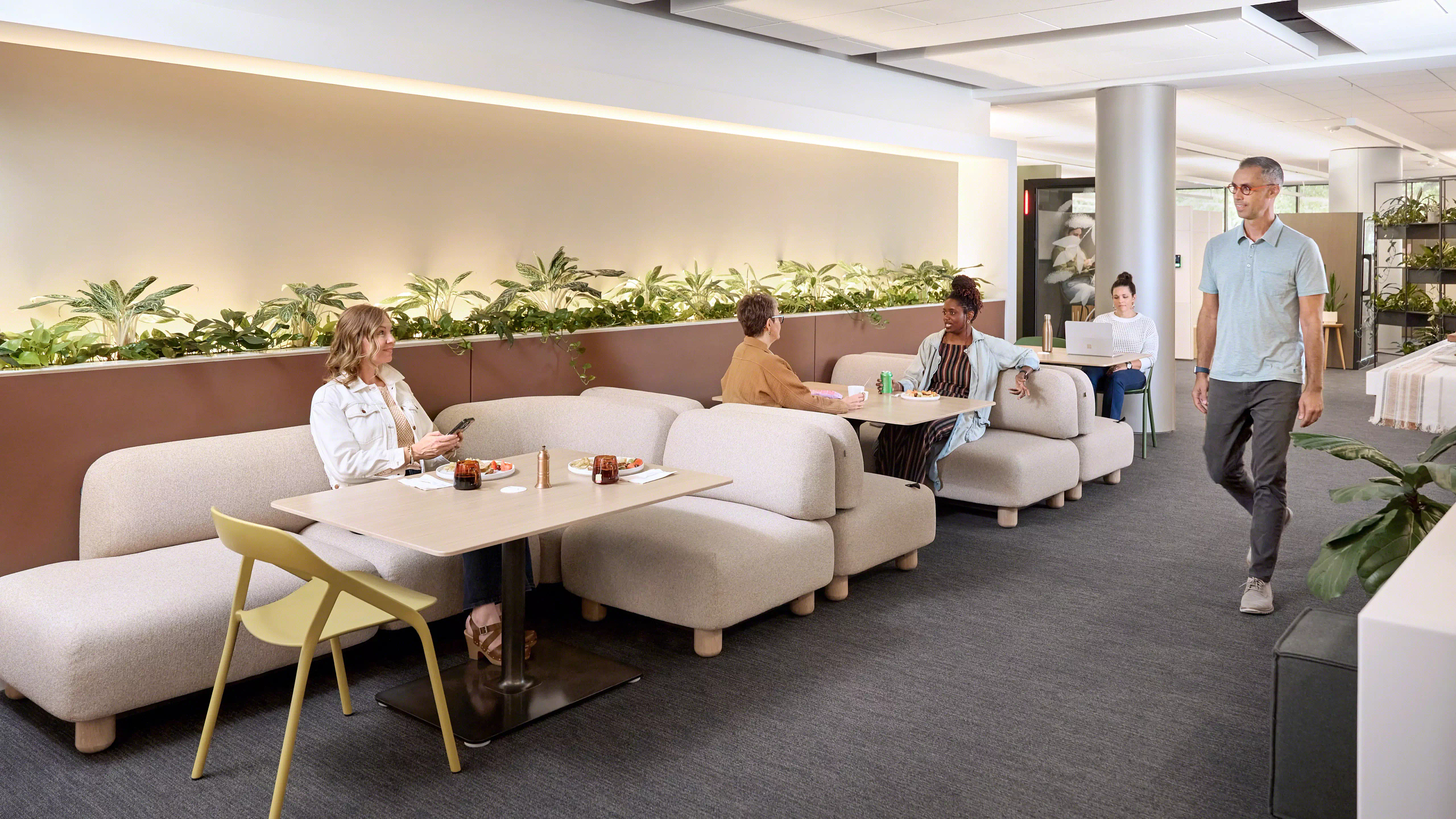
The café is no longer just a place for coffee or lunch. In many workplaces, it has become a key social anchor, especially as assigned desks become less common.
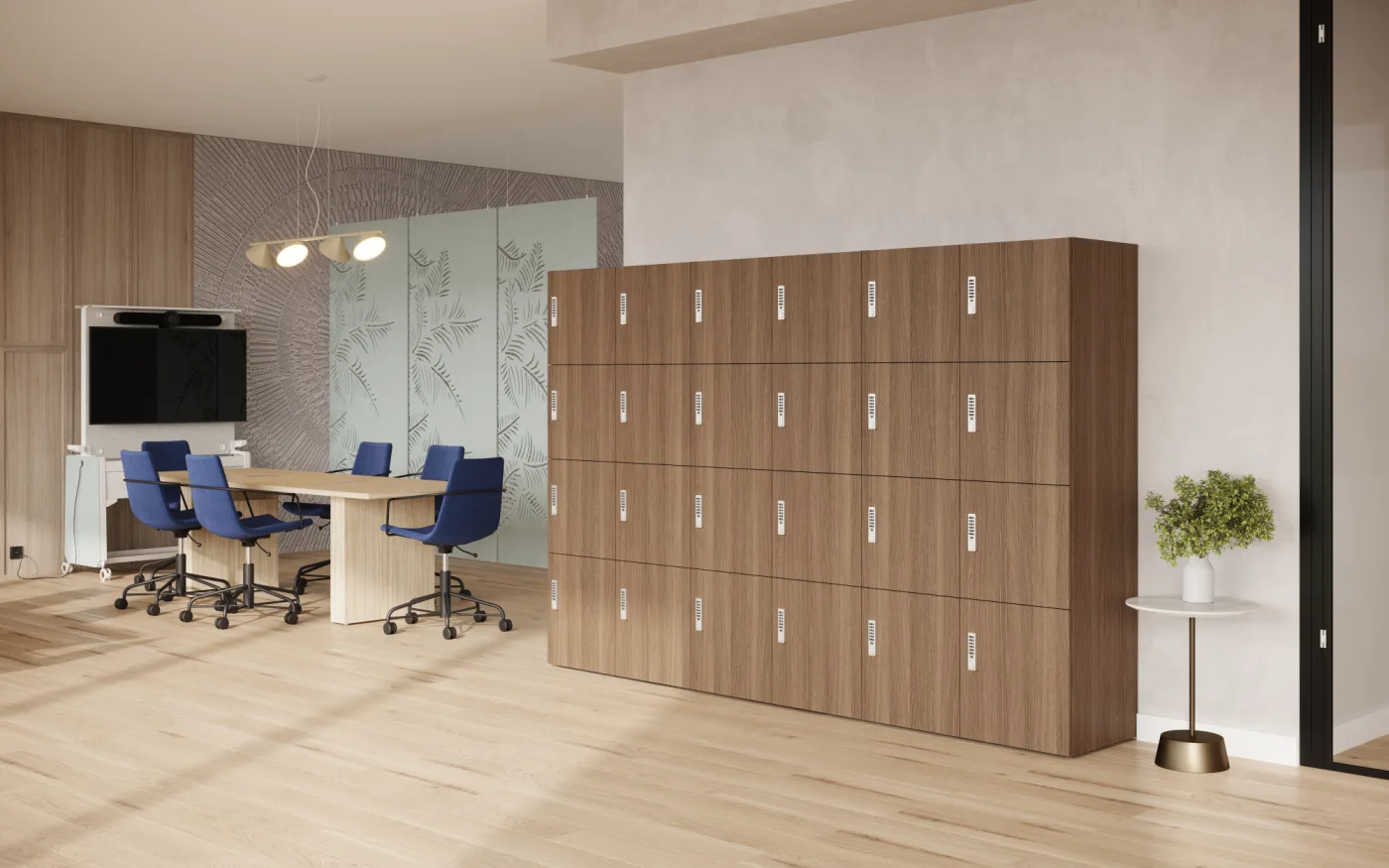
When designed intentionally, café spaces can support casual meetings, short work sessions, chance encounters, and moments of community throughout the day. They can also improve arrival experiences by integrating storage, welcoming touchpoints, and a wider variety of seating options.
What better workplace design really means
Better workplace design is not about trends for their own sake. It is about creating environments that respond to how people actually work now.
That means designing for:
- focus without isolation
- collaboration without friction
- privacy without disconnection
- flexibility without compromise
- community without forcing interaction
When these elements are balanced well, the office becomes more than a place people are required to go. It becomes a place that genuinely helps them do their best work.
How ABI helps
At Atlantic Business Interiors, we help organizations rethink their workplaces with a practical, human-centered approach. That may mean identifying underused spaces, improving furniture applications, reworking a meeting area, introducing privacy solutions, or creating more adaptable environments that better reflect the needs of today’s teams.
Because every organization is different, the right answer is rarely one-size-fits-all. The best results come from understanding how your people work, where friction exists, and which changes will make the biggest impact.
A better workplace does not always start with a full renovation.
Sometimes it starts by asking one simple question:
Which spaces are people choosing, and which ones are they quietly avoiding?