What Matters Most in Healthcare Furniture
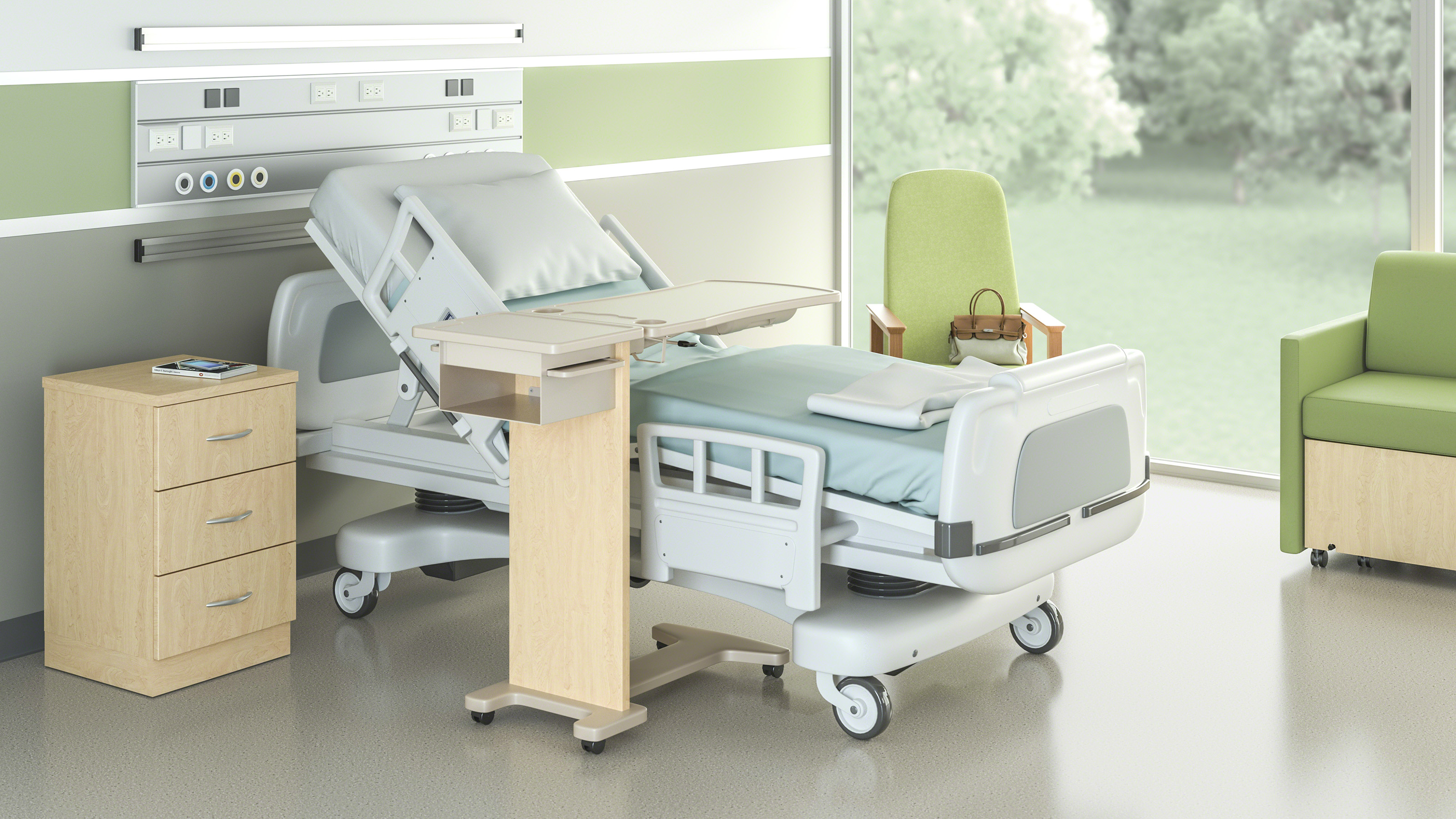
Healthcare furniture is not just about appearance or comfort. It directly impacts patient safety, clinical efficiency, infection control, and staff wellbeing. The stakes are higher than in any other environment, which is why healthcare furniture must meet a very specific set of requirements.
Below are the core factors that matter most.
1) Infection Control Is Non-Negotiable
Furniture in healthcare settings must actively support infection prevention.
That means:
- Non-porous, cleanable surfaces that withstand frequent disinfection
- Minimal seams and crevices where bacteria can hide
- Antimicrobial materials where appropriate
- Upholstery and finishes compatible with hospital-grade cleaners
If furniture can’t be cleaned quickly and thoroughly, it doesn’t belong in a care environment.
2) Patient Safety Comes First
Healthcare furniture must reduce risk, not introduce it.
Key considerations include:
- Stable construction to prevent tipping
- Rounded edges and soft touch points to reduce injury
- Appropriate seat heights and arm support for safe transfers
- Compliance with healthcare safety standards and regulations
For patients with limited mobility, furniture design can directly affect dignity and independence.
3) Durability Under Constant Use
Healthcare spaces never “close.” Furniture is in use 24/7.
This requires:
- Heavy-duty construction designed for continuous use
- Finishes that resist chipping, peeling, and chemical damage
- Components that can be repaired or replaced rather than discarded
Long lifecycle performance is not optional, it’s essential for cost control and reliability.

4) Ergonomics for Staff and Caregivers
Healthcare workers spend long hours on their feet and at workstations.
Furniture must support:
- Proper posture and movement
- Reduced strain during repetitive tasks
- Adjustable features that accommodate different users and roles
When staff are supported physically, fatigue decreases and care quality improves.
5) Comfort and Dignity for Patients and Families
Healthcare environments are emotionally demanding. Furniture plays a quiet but powerful role in how people feel.
Effective healthcare furniture provides:
- Comfort without sacrificing cleanability
- A sense of warmth in clinical spaces
- Thoughtful design for family members and visitors
Well-designed furniture helps reduce stress and supports healing.
6) Flexibility Across Care Settings
Healthcare needs change quickly, units expand, functions shift, and models of care evolve.
Furniture should be:
- Modular and adaptable
- Easy to reconfigure or relocate
- Suitable for multiple care settings (acute, long-term, outpatient, behavioral health)
Flexibility protects investments over time.
7) Compliance and Standards
Healthcare furniture must meet or exceed applicable standards related to:
- Fire safety
- Accessibility
- Infection prevention
- Load capacity and structural integrity
Compliance is not just about risk management, it’s about trust.
8) Local Service and Support Matter
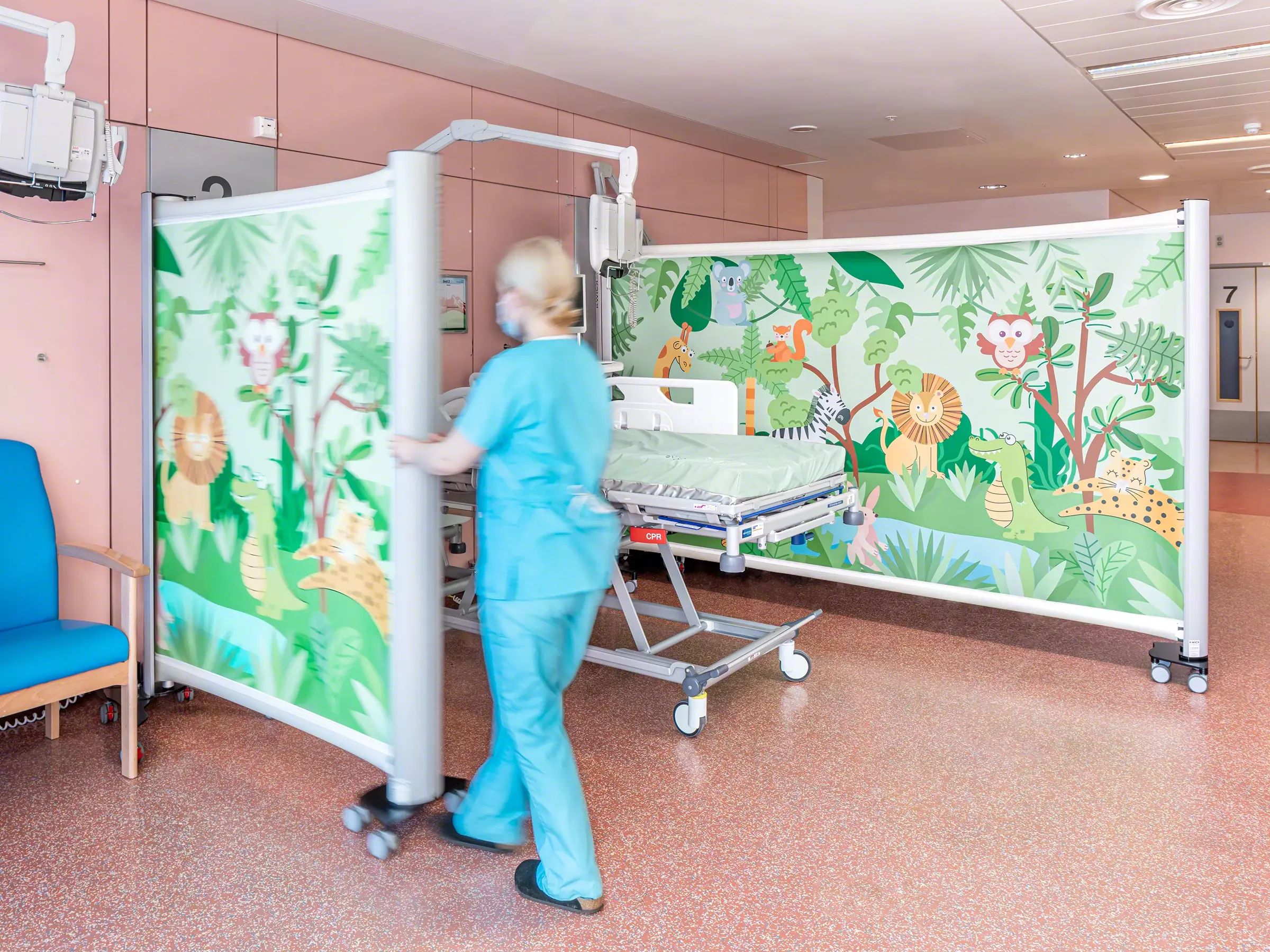
When furniture fails in a healthcare setting, downtime isn’t just inconvenient—it’s disruptive.
Local service ensures:
- Faster response times
- Access to replacement parts
- Support teams familiar with healthcare protocols and secure environments
Reliability extends beyond the product itself.
In Summary
The most important qualities of healthcare furniture are:
- Cleanability
- Safety
- Durability
- Ergonomic support
- Patient comfort and dignity
- Flexibility
- Standards compliance
- Dependable service
Healthcare furniture must perform quietly, consistently, and safely, supporting care delivery without ever becoming the focus.