10 Office Design Elements That Improve Employee Health and Happiness
The modern workplace has evolved far beyond rows of desks and meeting rooms. Today's employees expect an environment that supports their wellbeing, encourages collaboration, and helps them do their best work.
Research consistently shows that workplace design influences productivity, job satisfaction, employee retention, and even physical health. Whether you're renovating an existing office or planning a new workspace, investing in employee wellbeing is an investment in your organization's success.
Here are 10 office design elements that can make a meaningful difference.
1. Ergonomic Office Furniture
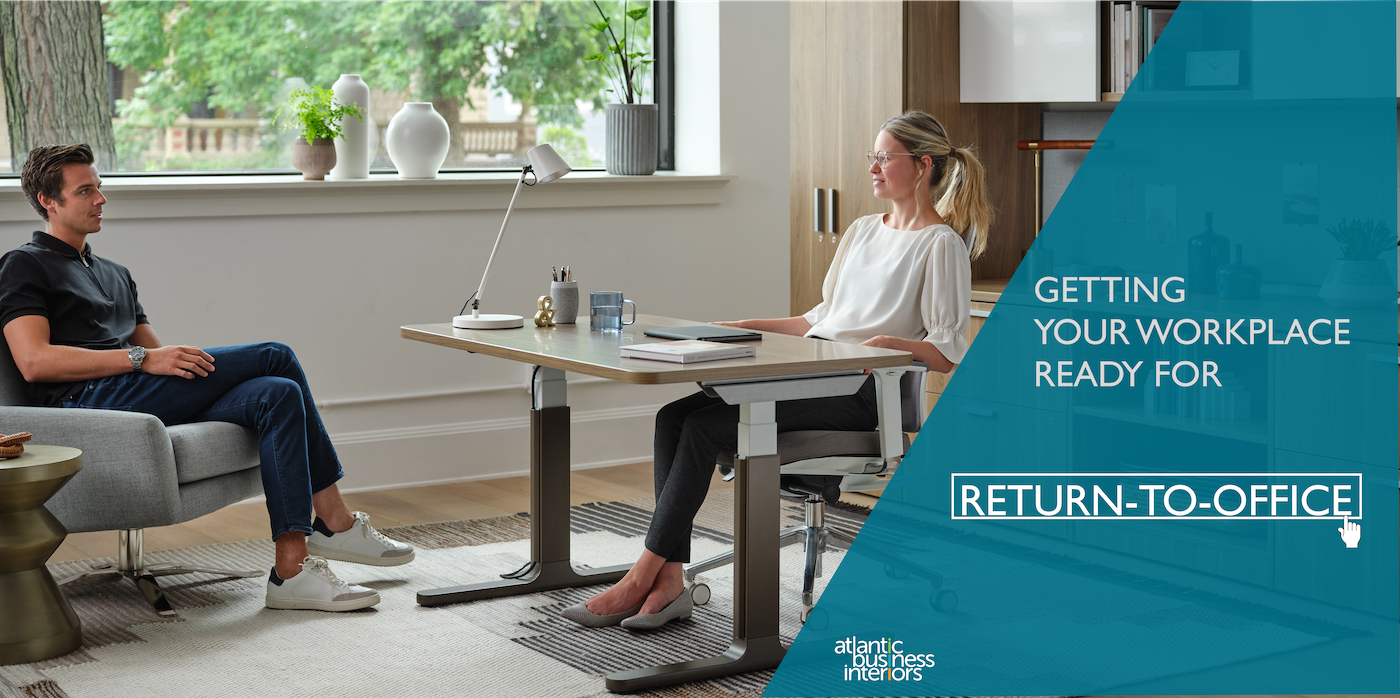
Employees spend thousands of hours at their desks each year. Without proper ergonomic support, discomfort can lead to fatigue, reduced productivity, and musculoskeletal injuries.
Look for:
- Ergonomic task chairs with adjustable lumbar support
- Height-adjustable desks
- Monitor arms
- Keyboard trays
- Footrests when needed
Giving employees the ability to personalize their workstation promotes better posture and greater comfort throughout the day
2. Access to Natural Light
Natural light is one of the most effective ways to improve workplace wellbeing. Offices with abundant daylight have been associated with improved mood, increased energy levels, and better sleep quality.
Design strategies include:
- Positioning workstations near windows
- Using glass walls instead of solid partitions
- Keeping window areas free from tall furniture
- Supplementing daylight with high-quality LED lighting
A brighter workplace often creates a more positive working environment.
3. Comfortable Collaboration Spaces
Not every conversation belongs in a boardroom.
Informal collaboration areas encourage spontaneous discussions, brainstorming, and teamwork while creating a more welcoming office culture.
Consider adding:
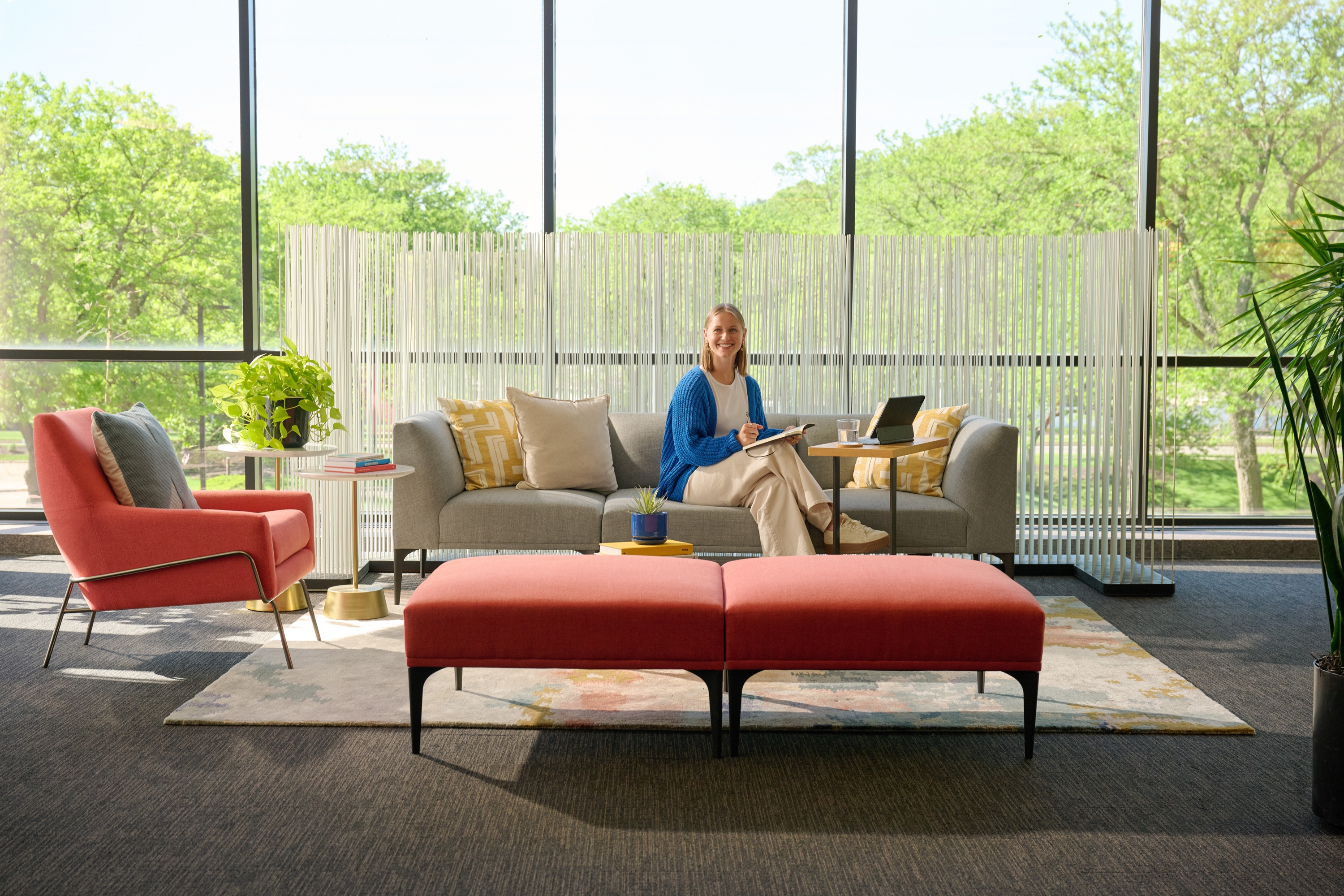
- Lounge seating
- Soft seating
- Café-style meeting areas
- Small touchdown spaces
- Flexible meeting rooms
Employees benefit from having spaces designed specifically for collaboration.
4. Quiet Spaces for Focus
Open offices can encourage teamwork, but they can also introduce distractions.
Dedicated quiet areas allow employees to concentrate on tasks requiring deep focus or conduct confidential conversations without interruptions.
Popular solutions include:
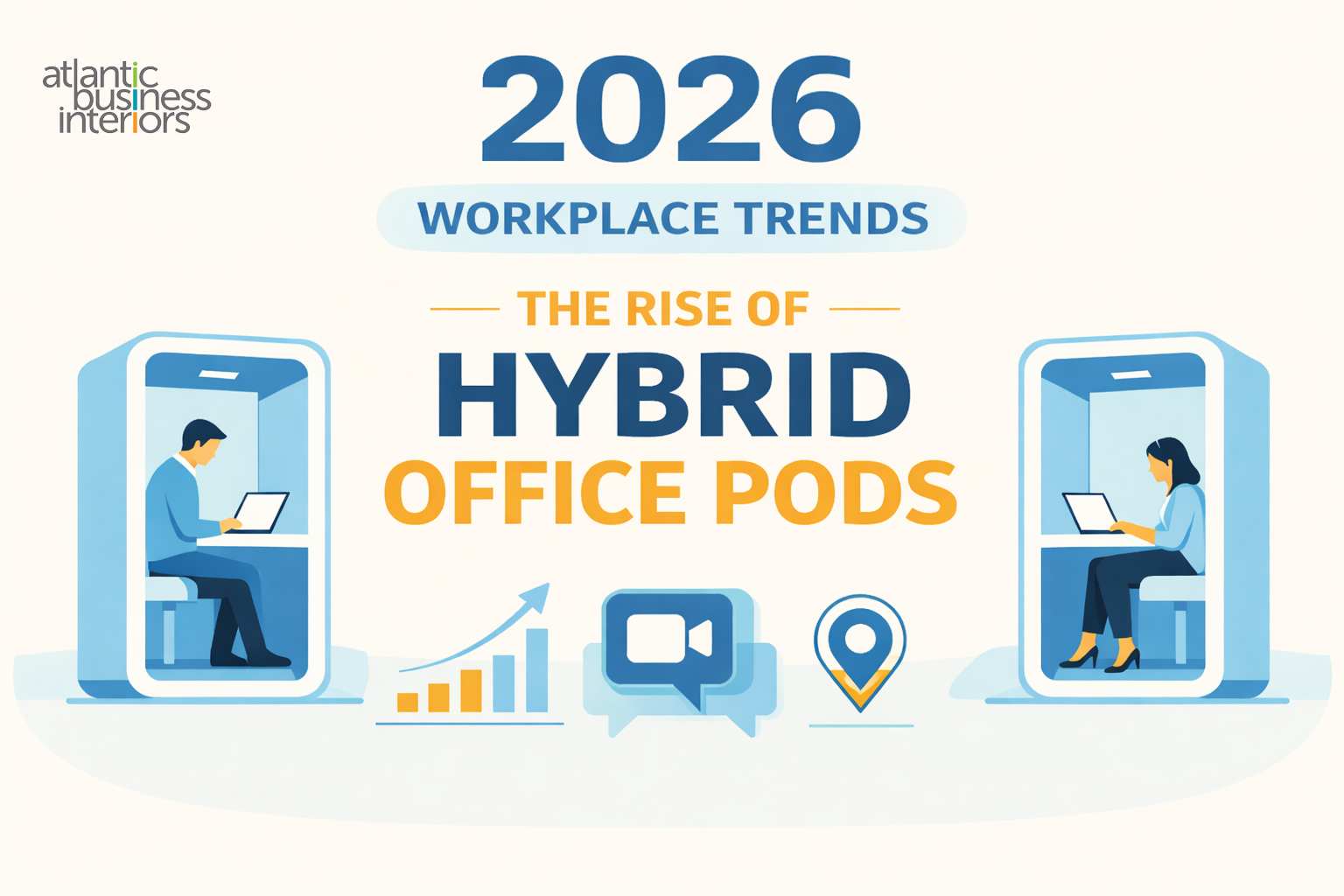
- Privacy booths
- Acoustic pods
- Focus rooms
- Library-style workspaces
- Sound-absorbing furniture
Balancing collaboration with privacy creates a healthier workplace experience.
5. Biophilic Design
Bringing nature into the workplace helps reduce stress and creates a more calming environment.
Biophilic design can include:
- Indoor plants
- Living walls
- Natural wood finishes
- Stone textures
- Nature-inspired colours
These elements create spaces that feel warmer and more inviting while improving the overall workplace atmosphere.
6. Flexible Workspaces
Today's employees perform many different types of work throughout the day.
Rather than assigning every task to one desk, provide spaces for:
- Individual focus
- Team collaboration
- Hybrid meetings
- Informal discussions
- Quiet phone calls
A flexible workplace allows employees to choose the environment that best supports their work.
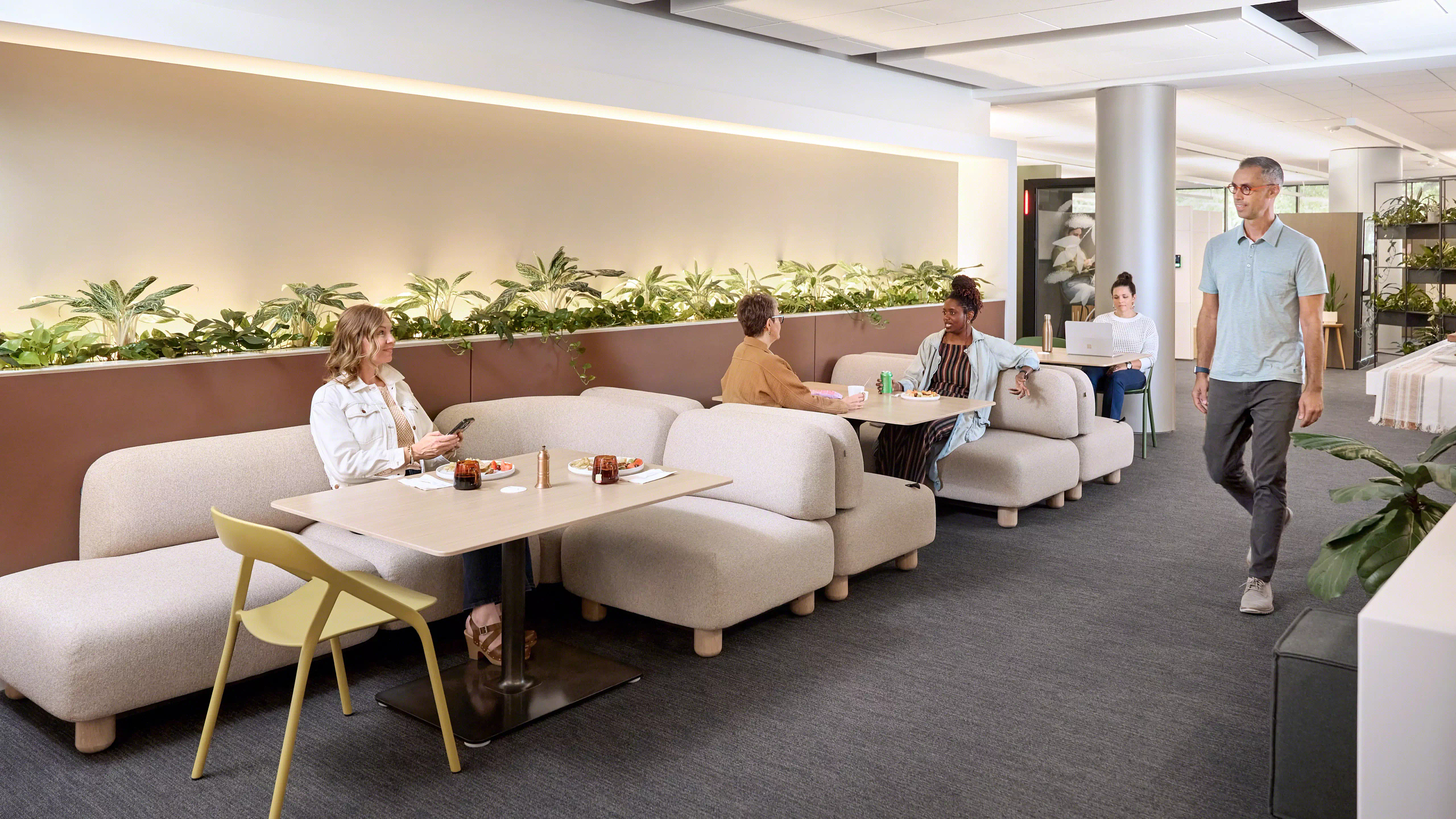
7. Wellness and Break Areas
Taking regular breaks improves concentration and helps prevent burnout.
A thoughtfully designed break area encourages employees to recharge while strengthening workplace relationships.
Consider including:
- Comfortable lounge seating
- Café spaces
- Outdoor seating
- Wellness rooms
- Refreshment areas
Employees who can disconnect for a few minutes often return more focused and engaged.
8. Better Indoor Air Quality
Healthy workplaces begin with healthy air.
Proper ventilation, quality HVAC systems, and low-emission materials contribute to a cleaner indoor environment and greater employee comfort.
Combined with natural elements and regular maintenance, better air quality supports overall wellbeing.
9. Smart Lighting Solutions
Lighting affects everything from productivity to eye strain.
Instead of relying solely on overhead fixtures, combine:
- Natural daylight
- Adjustable task lighting
- Indirect ambient lighting
- Tunable LED fixtures for different activities
The right lighting creates a more comfortable workspace while reducing fatigue.
10. Inclusive and Accessible Design
Great workplace design works for everyone.
Accessible layouts, adjustable furniture, intuitive navigation, and flexible meeting spaces help ensure every employee feels supported regardless of their needs.
An inclusive office not only meets accessibility requirements, it creates a stronger sense of belonging across the organization.
Creating a healthier office isn't about adding one new piece of furniture. It's about designing an environment that supports different work styles, encourages movement, reduces stress, and helps employees feel comfortable throughout the day.
At Atlantic Business Interiors, we've spent nearly 40 years helping organizations across Atlantic Canada create workplaces that put people first. From ergonomic furniture and acoustic privacy solutions to collaborative spaces and complete workplace planning, we help businesses build offices that improve both employee wellbeing and organizational performance.
If you're planning a workplace renovation or designing a new office, our team can help you create a space where employees can thrive.