How to prepare your workplace for the Return-to-Office (RTO)
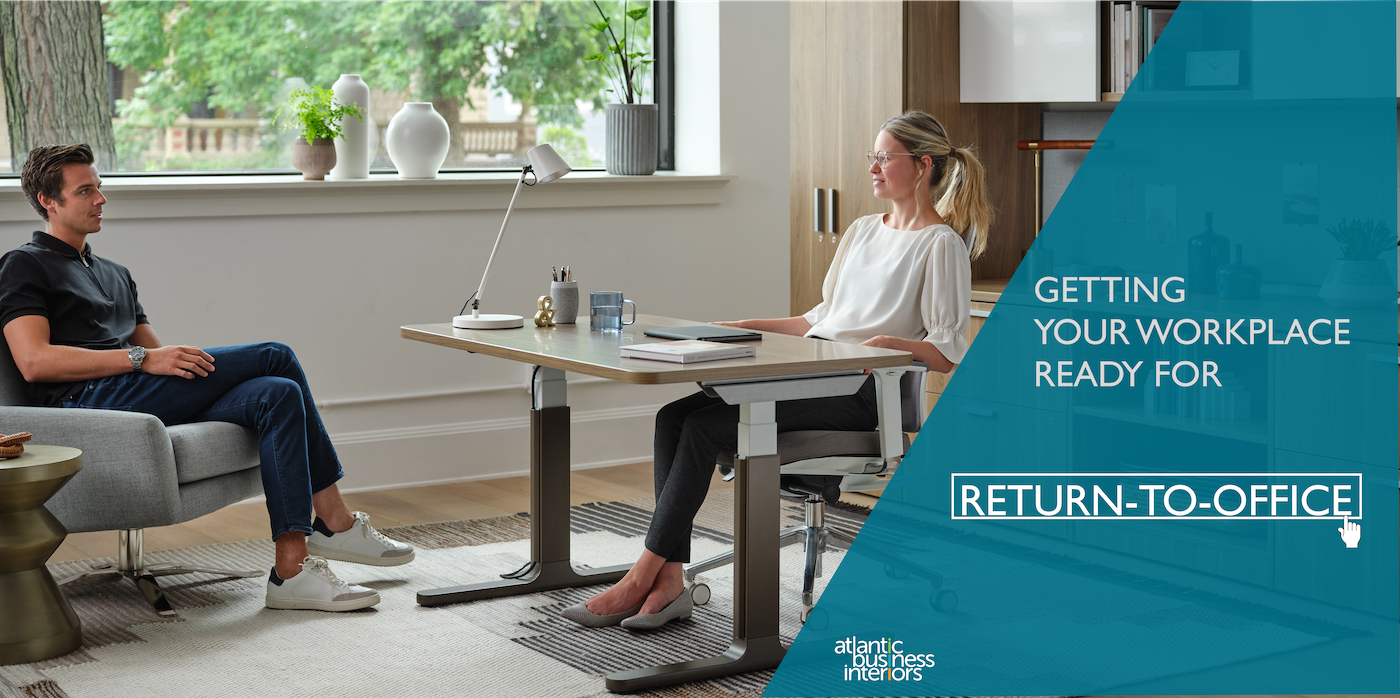
For several years the workplace question was “how do we stay productive remotely?” Now it has shifted to “why should people come back?”
People return voluntarily when the office removes friction from their workday. A useful workplace answers a simple question each morning: what will be easier if I go in today?
The workplace should compress communication time, not replicate remote work inside a building.
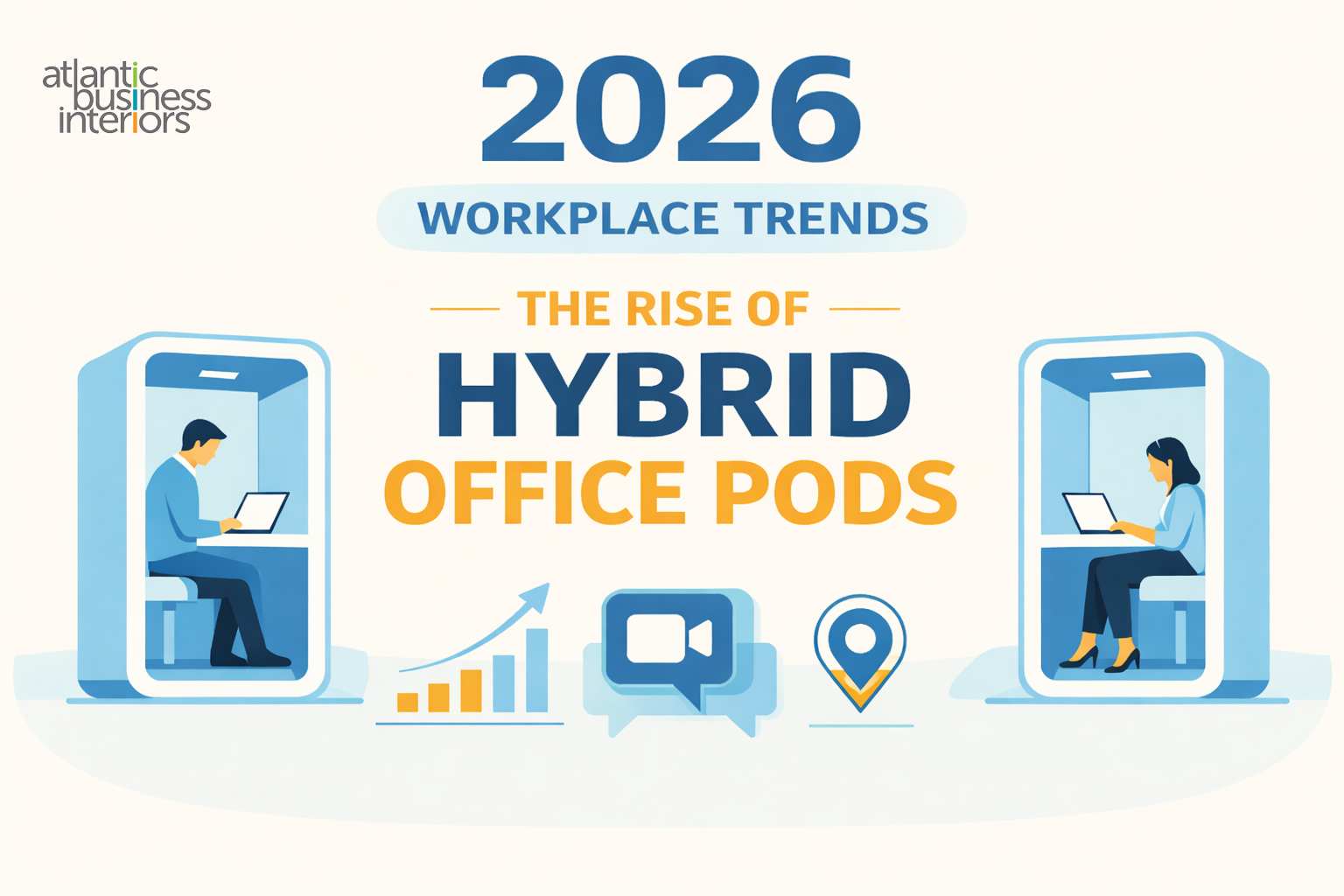
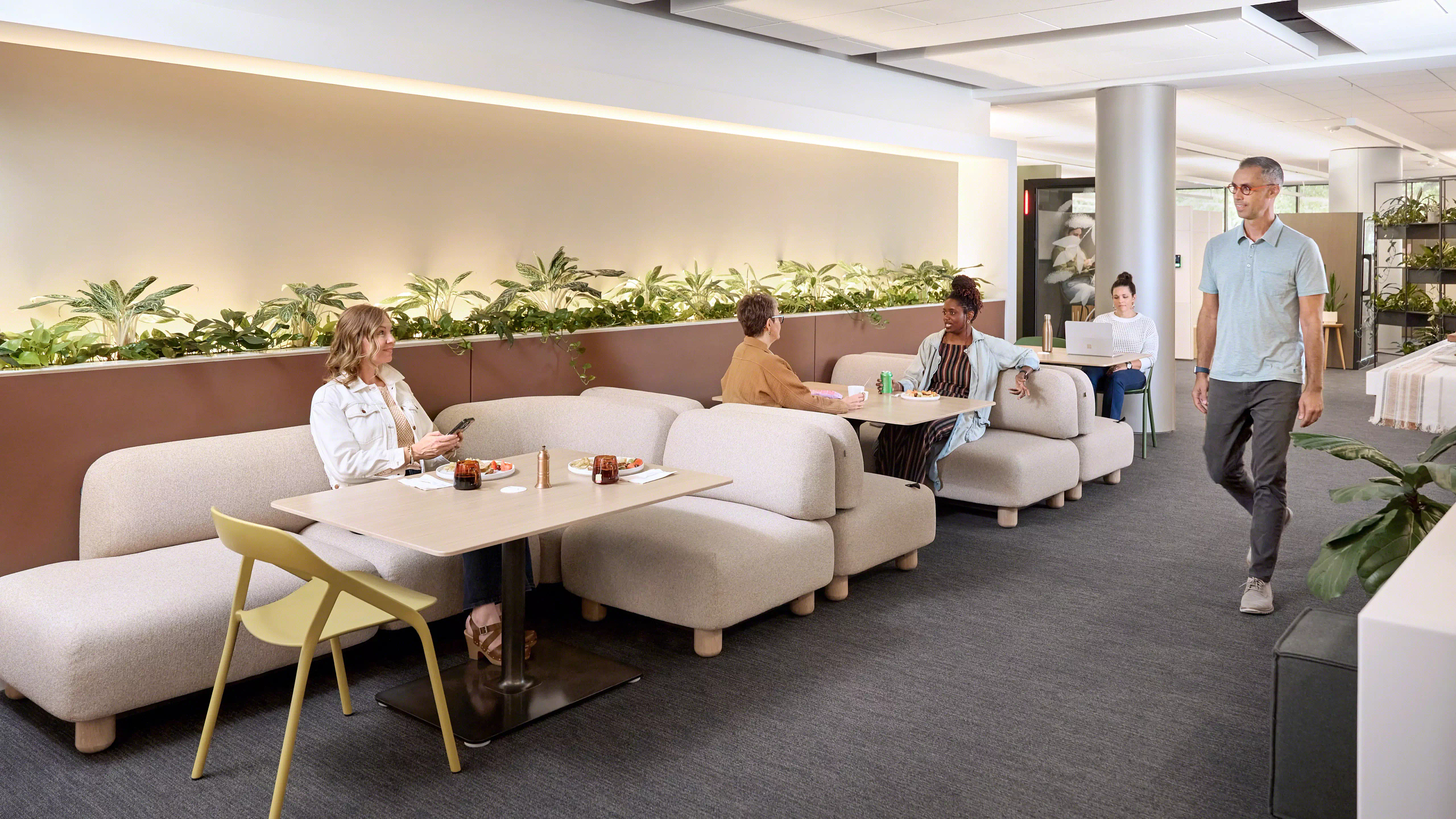
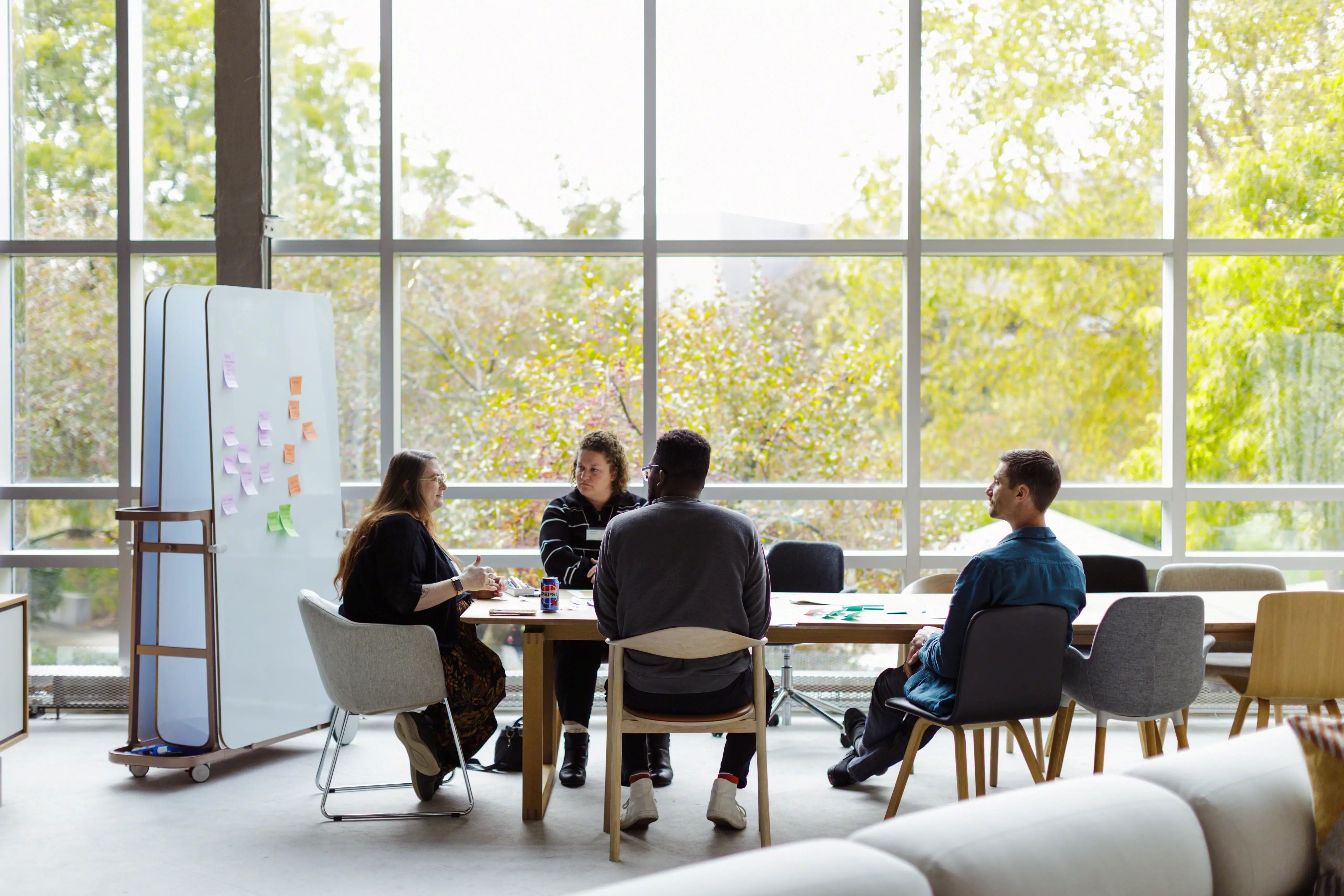
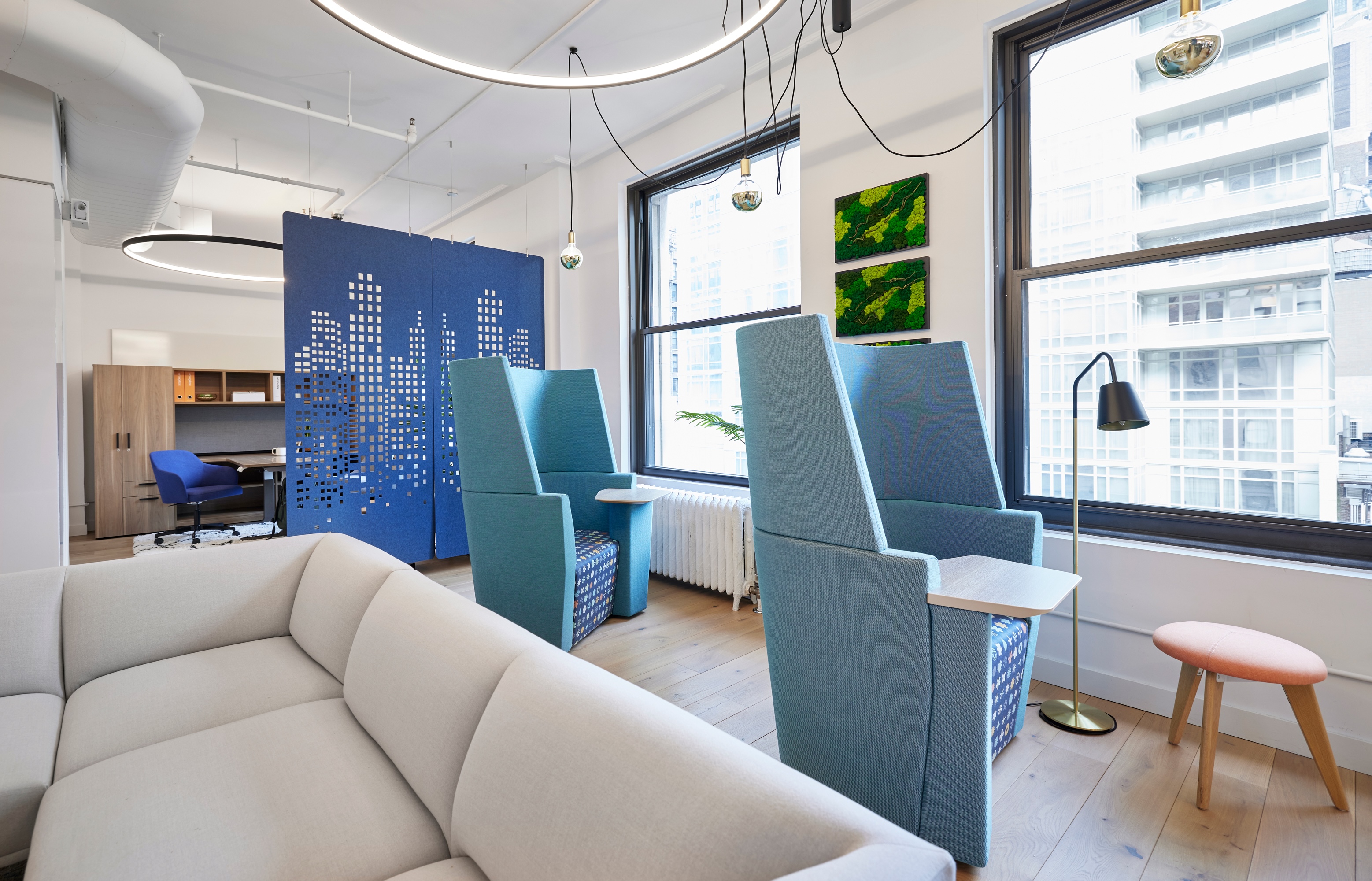
An effective RTO workplace distributes space by activity rather than department. Quiet enclosed rooms support concentration. Shared tables accelerate decision-making. Informal zones support relationship-building. Video-ready rooms support distributed teams. When these are clearly differentiated, the commute gains purpose.
Workplaces once distinguished between in-person and remote meetings. That distinction has effectively disappeared. Almost every meeting now includes at least one remote participant, making every room a broadcast environment.
This shifts the role of the office from location to interface. Lighting, camera angles, sound capture, and simple connectivity determine whether remote participants can engage equally. When remote attendees feel secondary, teams stop gathering physically because the experience fragments the conversation.
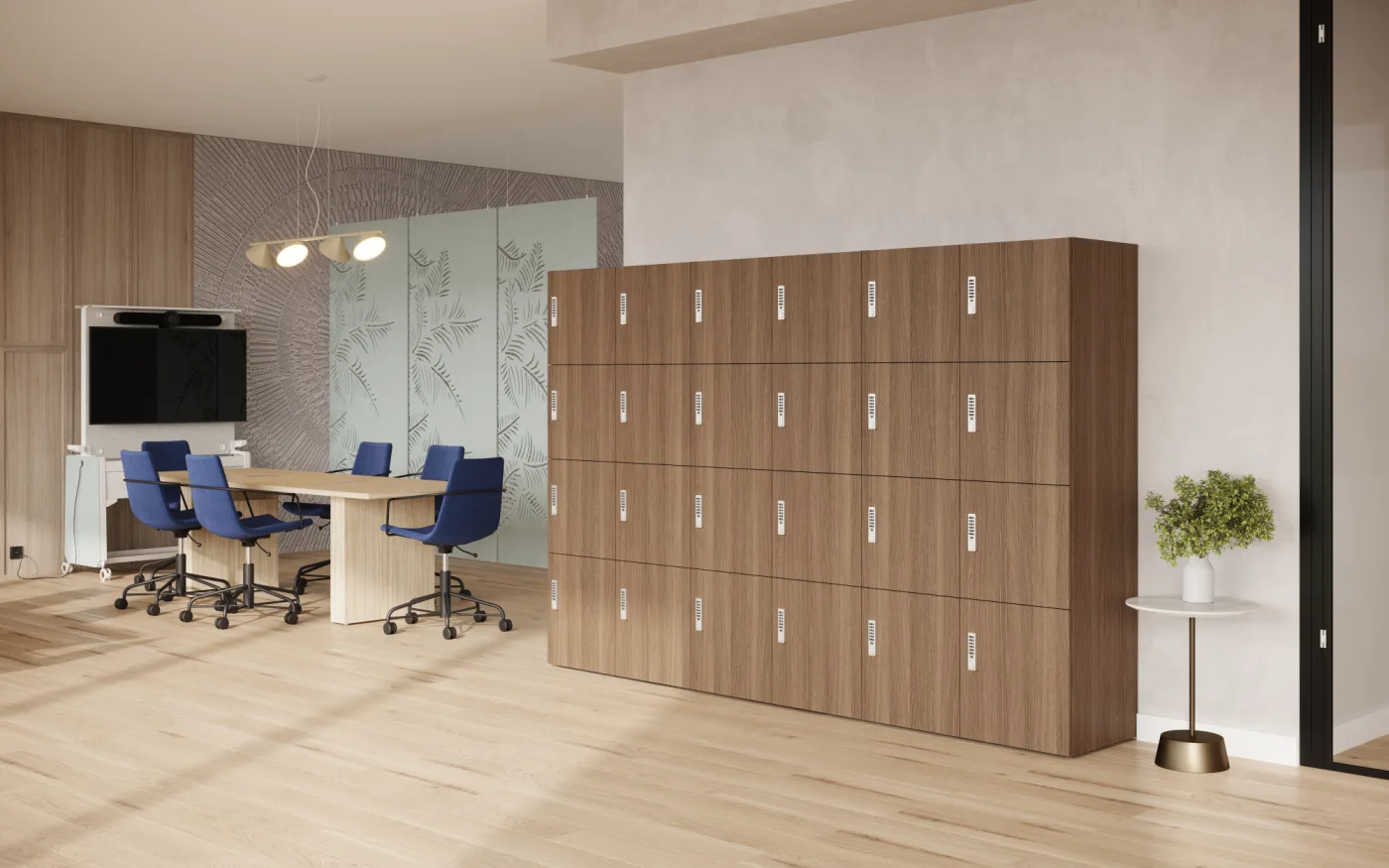
Speech privacy areas, small enclosed rooms, and acoustic boundaries consistently have a greater impact on attendance than decor. People will tolerate dated furniture; they rarely tolerate constant interruption.

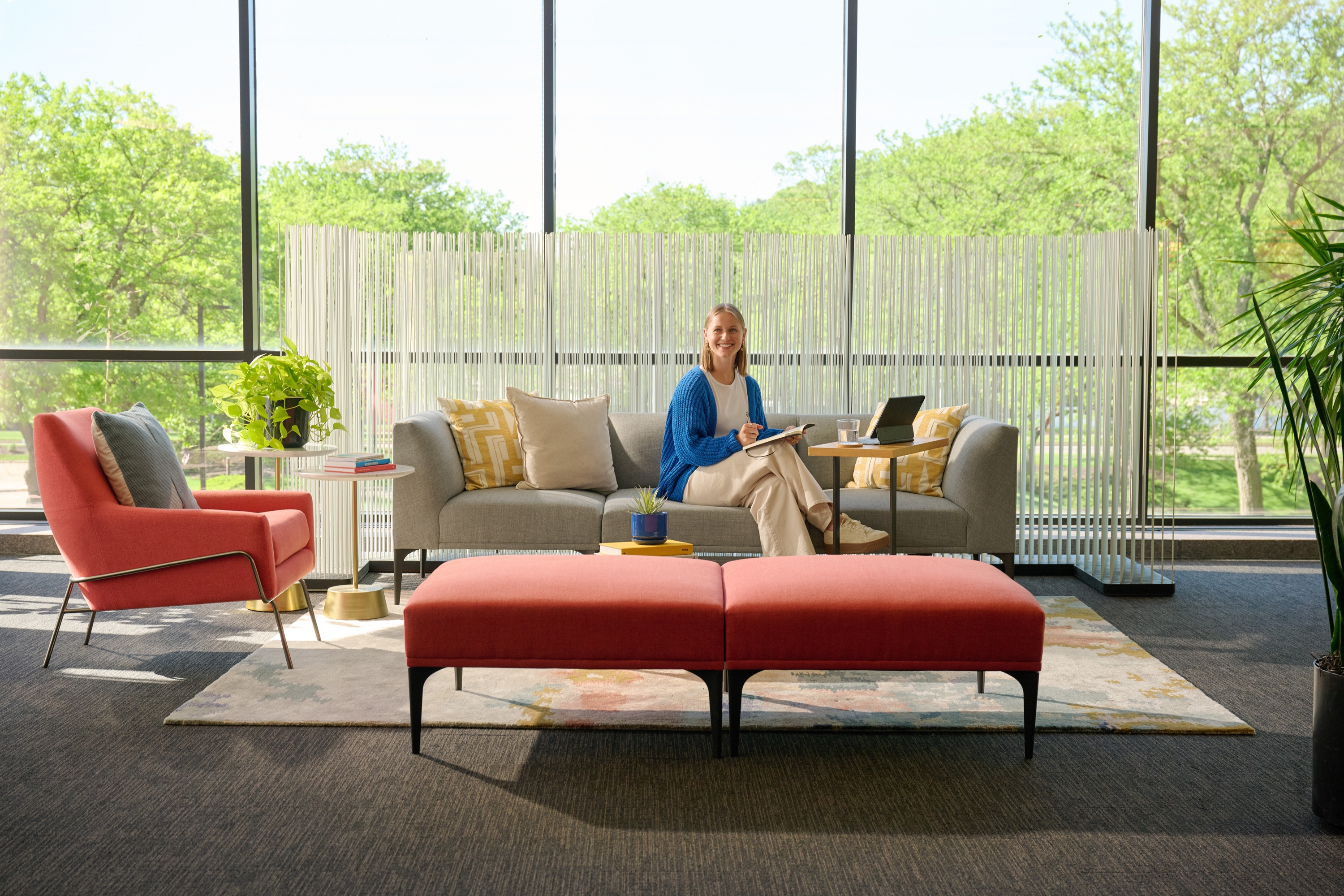
Spaces that support this are rarely formal boardrooms. They are shared coffee points, project walls, casual touchdown areas, and circulation paths that naturally intersect. These environments create short conversations that replace long scheduled meetings and build familiarity faster than structured events.
Measuring correctly
The most reliable indicator of a successful return-to-office strategy is not occupancy rate. It is voluntary presence: employees choosing to come in on days they are not required to.
That behavior appears when the workplace improves decision speed, learning opportunities, and social cohesion. Attendance then becomes an outcome, not a target. The modern office no longer exists to host work. It exists to make certain kinds of work meaningfully better.