
Why “Back to Office” Looks Different in 2025
The modern office isn’t just a place to clock in. It’s a hub for collaboration, culture, and connection. Leaders are reimagining their workplaces to:
- Encourage collaboration with flexible meeting areas.
- Support focus work with ergonomic seating and private pods.
- Boost well-being with natural materials, lounge areas, and wellness spaces.
- Showcase company culture through design that reflects brand values.
Furniture is no longer just functional — it’s strategic. The right mix of desks, seating, partitions, and breakout zones can turn a return-to-office initiative into a success story.
Key Furniture Trends Driving Office Comebacks
- Flexible Layouts
Modular desks, mobile partitions, and stackable chairs let teams adjust spaces for daily needs. Adaptability has become essential. - Privacy and Acoustics
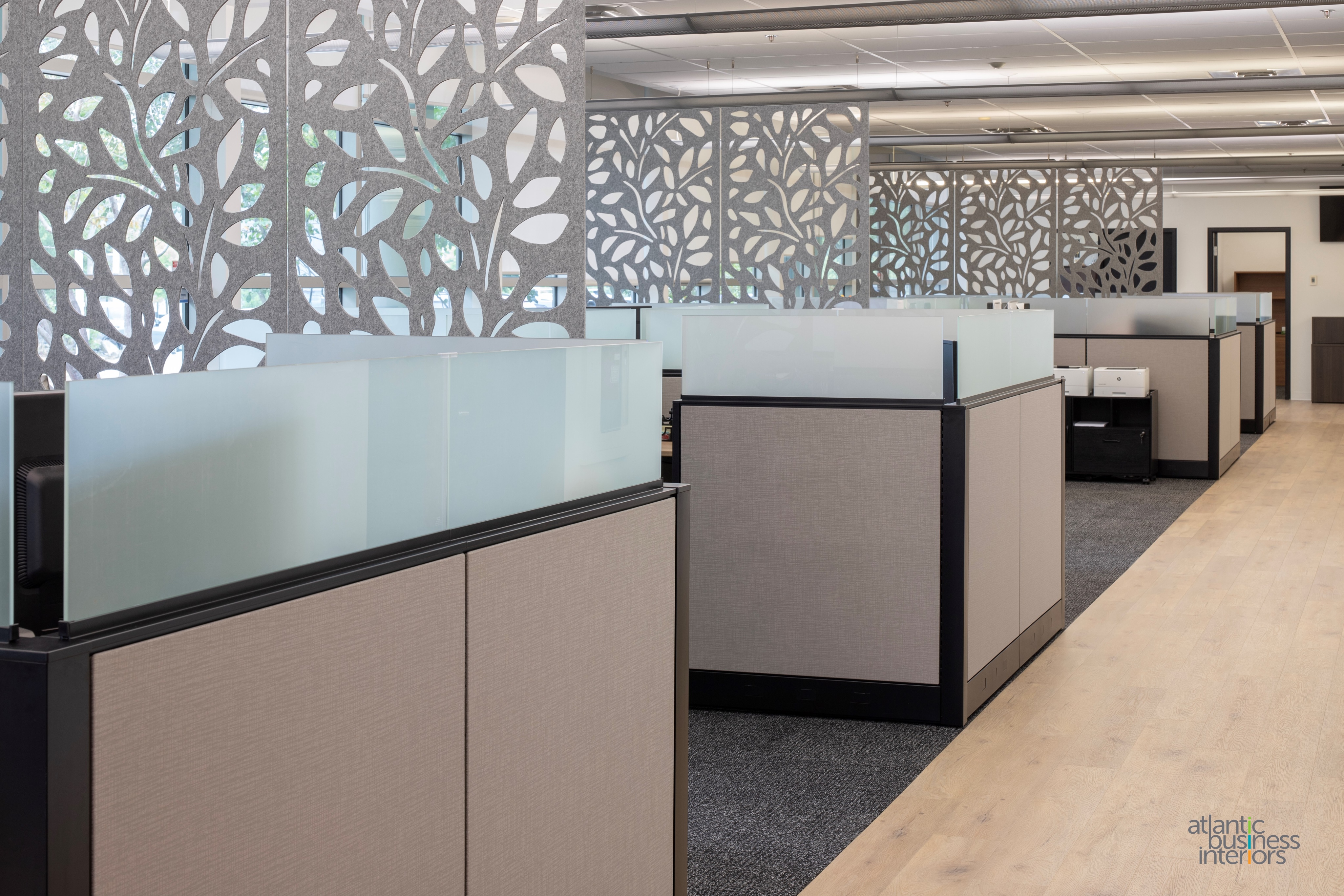
With open-plan layouts still popular, furniture solutions like acoustic panels, booths, and partitions help reduce noise and distractions. - Ergonomic Seating
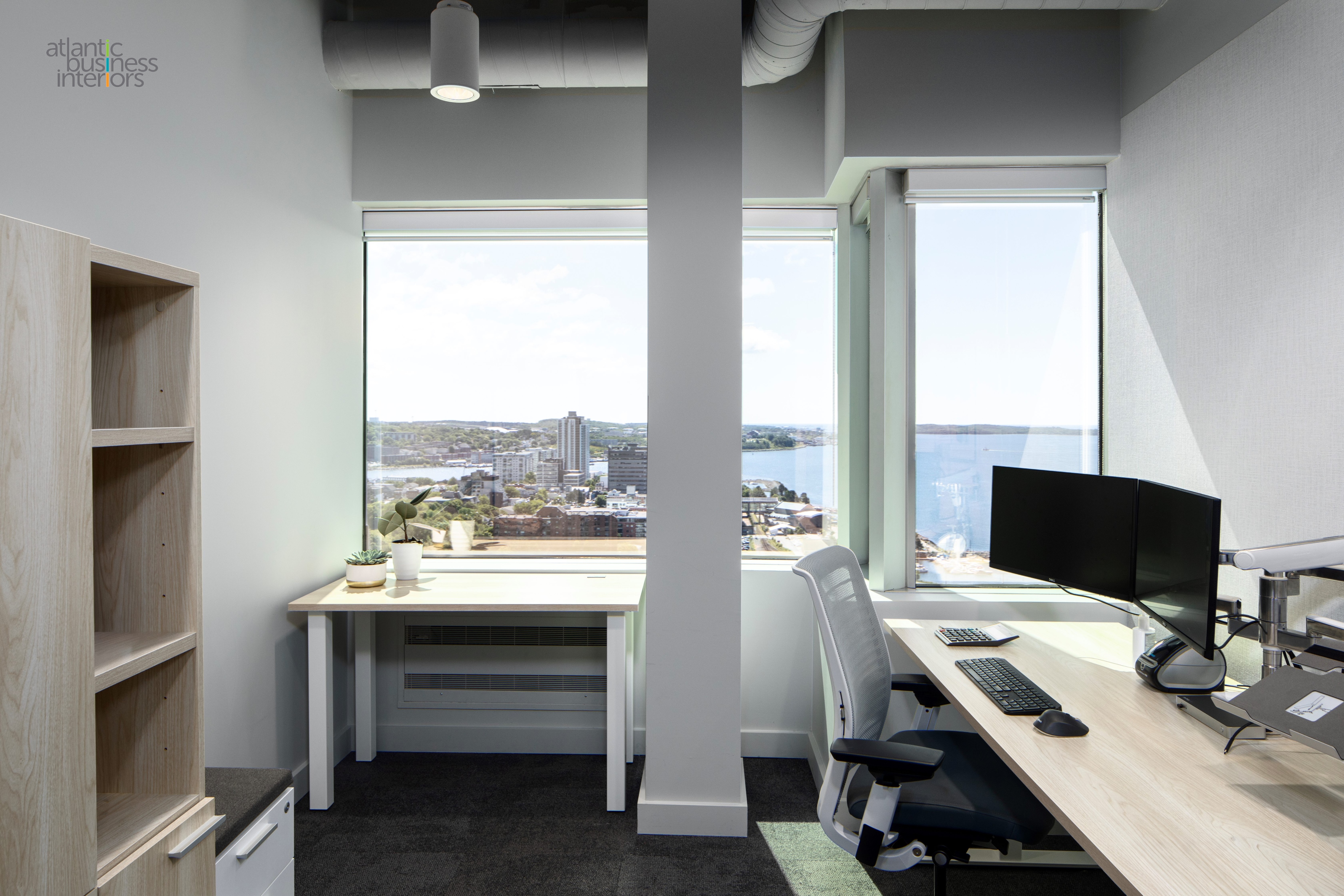
Employees expect comfort after years of working from home setups. Chairs designed with posture, movement, and adjustability in mind are non-negotiable. - Collaborative Zones
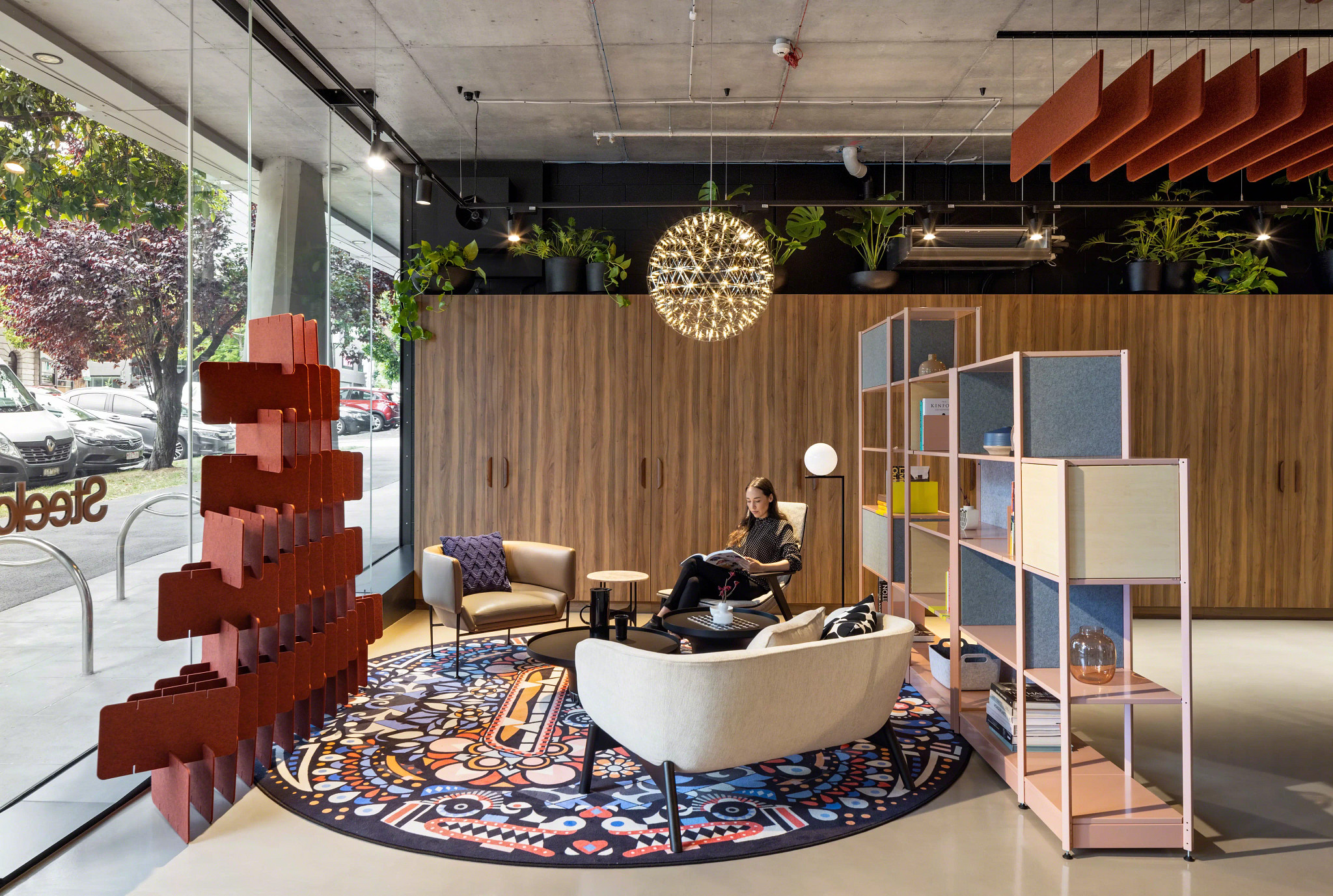
High tables, lounge seating, and writable surfaces create spaces where creativity thrives and impromptu meetings feel natural. - Sustainability in Design
Many organizations are prioritizing eco-conscious furniture — durable, recyclable, and responsibly sourced — aligning workplace strategy with ESG goals.
Creating Spaces People Want to Return To
At the end of the day, the back-to-office movement succeeds only if employees feel good about being there. When companies invest in thoughtful furniture choices, they send a clear message: we value your comfort, productivity, and well-being.
Whether it’s a fully redesigned headquarters or a phased refresh of existing spaces, the right furniture plan can make the transition seamless.

.png)